Persuasive Design Stories for Gentle Renovations

Step inside a collection of designer case stories that persuade clients toward low-impact renovations, where modest moves unlock surprising beauty, durability, and savings. We share practical scripts, visual tactics, and measured outcomes from real homes and studios, helping you advocate for reversible upgrades, salvage-first sourcing, and comfort-driven results. Ask questions in the comments, subscribe for fresh stories, and borrow what works tomorrow.

Mapping Needs and Frictions

Host a walk-through where clients narrate frustrations room by room, while you quietly observe light, airflow, and acoustics. Capture micro-moments—a door that slams, a glare line at 4 pm—to anchor proposals. When solutions target lived pain, persuasion feels like relief, not pressure.

Translating Sustainability into Daily Comfort

Replace abstract carbon talk with morning rituals: warmer toes at the sink, quieter bedrooms, fewer smells during cooking. Pair each comfort with a low-impact tactic—door sweeps, LED retrofits, mineral paint, weatherstripping—so benefits arrive fast and mess stays minimal, building confidence incrementally.

A Downtown Apartment Revived Without Swinging a Sledgehammer

In a 1960s corner unit with stubborn drafts and harsh glare, a skeptical owner asked for a total overhaul. We proposed light-touch moves instead: window films, layered shades, mineral paint, reclaimed shelving, and acoustic rugs. Within two weekends, comfort soared, waste plummeted, and the client became an advocate.


Turning Numbers into Feelings Clients Immediately Understand

Data persuades when it is tactile and human. Replace abstract benchmarks with before-and-after bills, nighttime noise logs, and “dust diaries.” Visualize embodied carbon as skipped dumpsters, not kilograms. When metrics map to headaches avoided and hours gained, modest interventions feel powerful, responsible, and worthy of proud storytelling.

Design Tactics That Minimize Waste and Maximize Delight

Work with what exists: refinish surfaces, redirect light, and add reversible layers. Favor modular pieces, salvage yards, and hardware swaps over major replacements. By staging each move and celebrating patina, you reduce disruption while amplifying character, proving that restraint can be exuberant, generous, and deeply satisfying.

Layered Lighting and Color that Calm

Use plug-in sconces, portable uplights, and high-CRI bulbs to soften shadows and reduce eye strain. Pair with breathable mineral paints that balance color temperature and reflectance. These reversible, dust-light moves shift mood and perceived spaciousness dramatically, avoiding ceiling cuts, rewiring, or wasteful fixture replacements altogether.

Reversible Storage and Zoning

Deploy freestanding wardrobes, shelving on existing studs, and rugs that define zones without new walls. Acoustic panels hung like art quiet busy rooms. When functionality improves through furniture-scale decisions, disruption stays low, approvals remain simple, and spaces evolve gracefully as needs change over time.

Budget Relief through Phasing, Permits, and Dust-Smart Planning

When clients fear runaway costs, reframe scope as a ladder. Start with measures that do not trigger permits or relocation, and let savings finance deeper steps. Transparent phasing, low-dust sequencing, and simplified approvals keep momentum strong, delivering visible gains while deferring disruptive, expensive overhauls until truly warranted.

Stories, Mockups, and Proof that Speak to the Senses

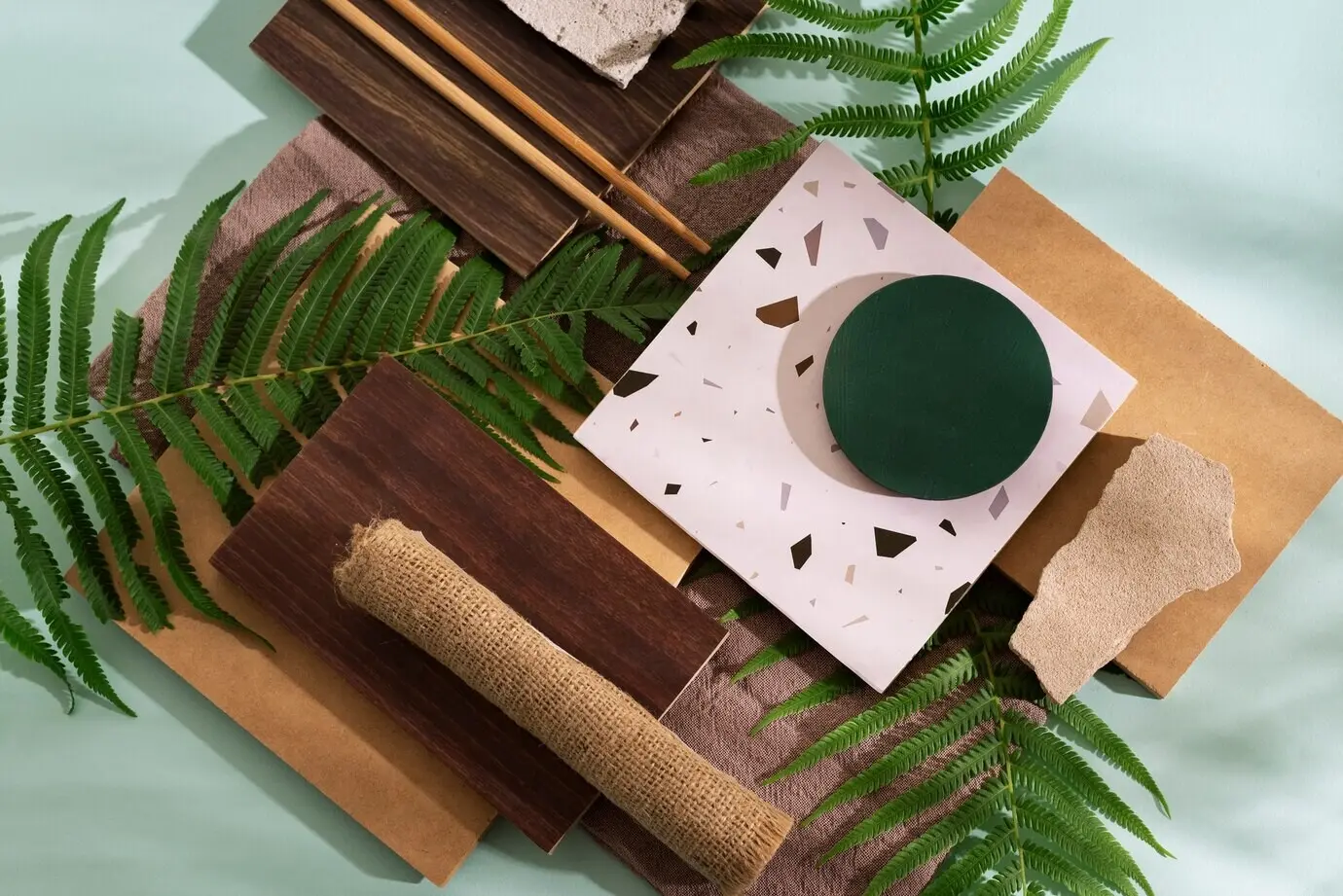
Persuasion strengthens when clients can touch futures before committing. Build cardboard mockups, stage lamp trials, and host material tastings with finishes, fabrics, and films. Combine before-after sequences with candid notes about downtime and dust. This sensory honesty invites collaboration, accelerates approvals, and nurtures durable enthusiasm for gentle change.
Pamorazekufohifirakinela
Privacy Overview

This website uses cookies so that we can provide you with the best user experience possible. Cookie information is stored in your browser and performs functions such as recognising you when you return to our website and helping our team to understand which sections of the website you find most interesting and useful.